Two of our portfolio companies closed rounds this week.
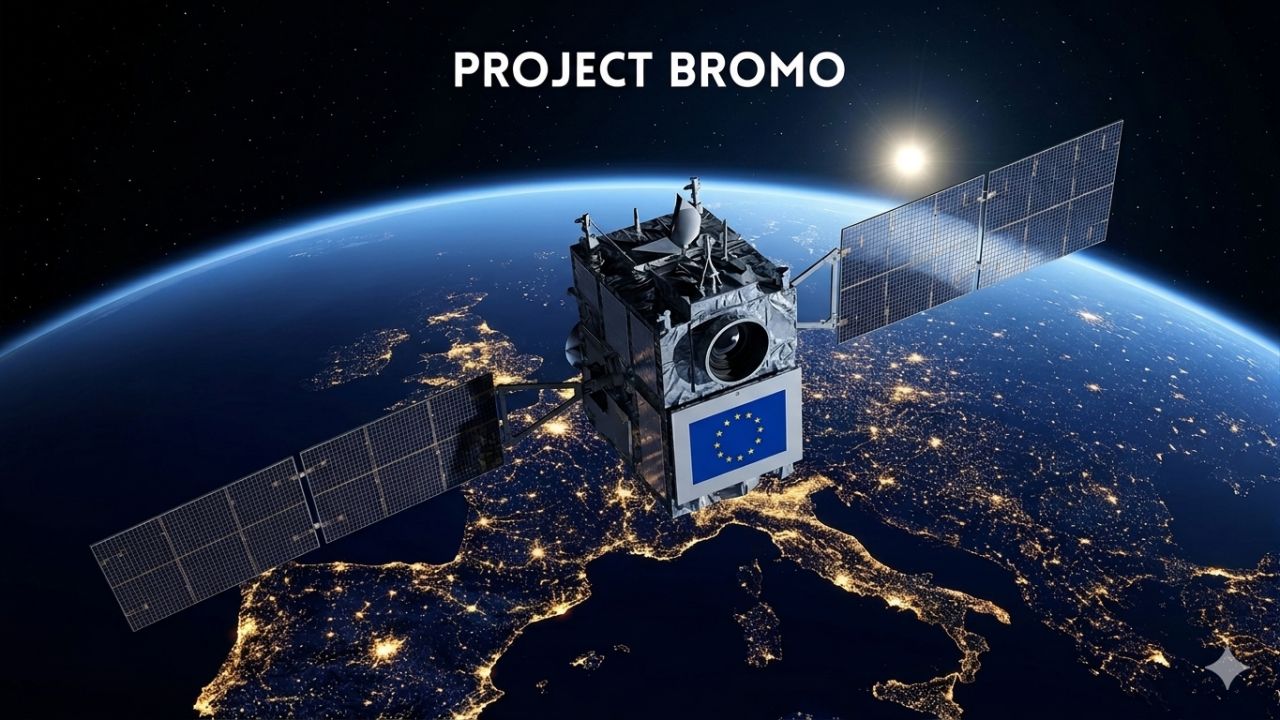
The next five years asks for:
1) Tens of thousands of spacecraft overhead
2) Data centers, power plants, and new factories below
Both of these companies exist to make those buildouts move faster by clearing constraints.
Juno Propulsion — $1.4M pre-seed
The basic physics behind most rocket engines still traces back to the 1940s.
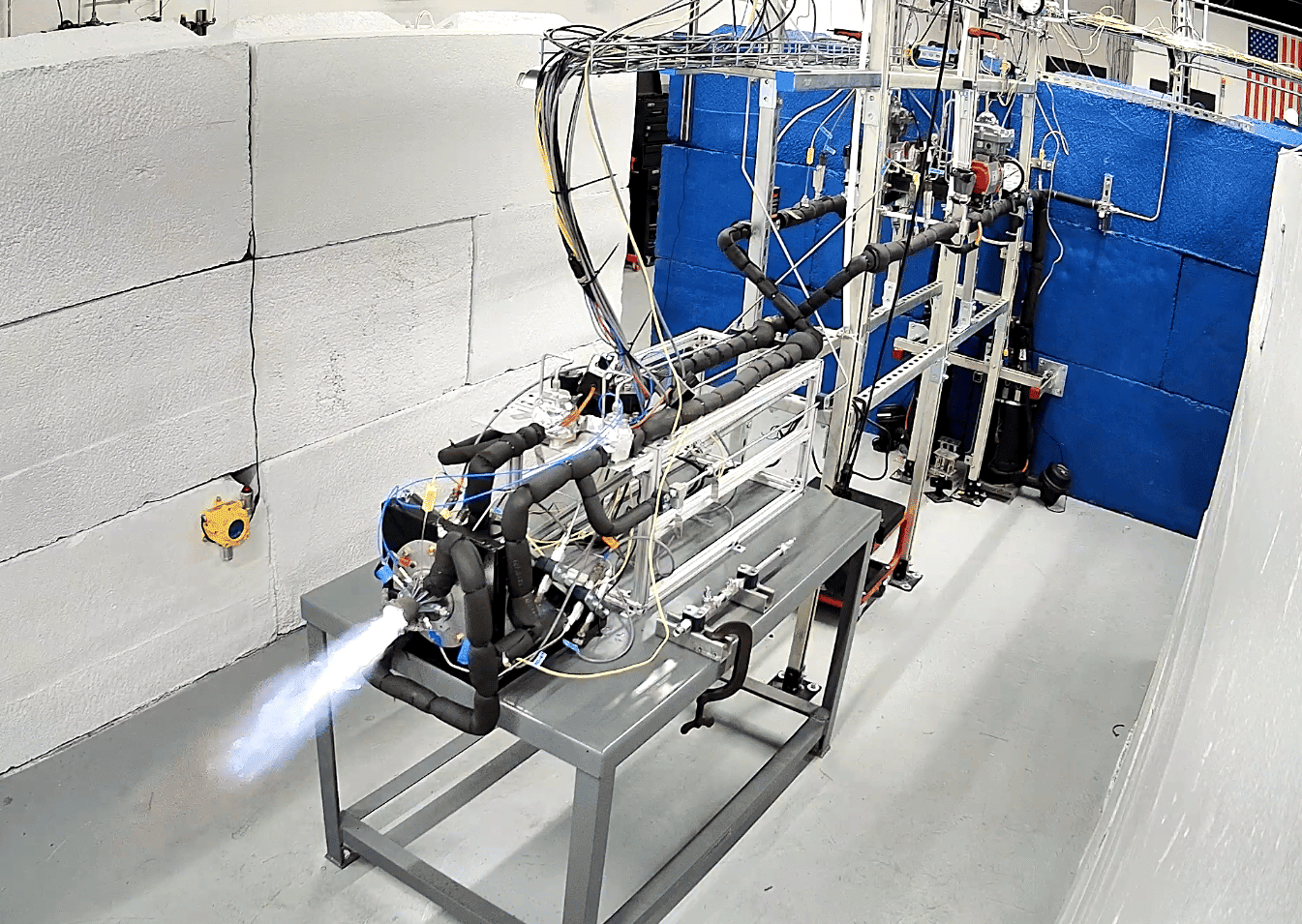
Juno’s rotating detonation engines change the burn: detonation waves race around a ring inside the engine and release more energy from the same propellant.
More energy per pound of fuel means more cargo to orbit, satellites that maneuver longer, and faster response for defense.
We backed Alexis Harroun and Ari Martinez (two Purdue propulsion PhDs) in late 2025.
No engine like it has ever powered a spacecraft in orbit. Juno’s Project Iris is built to be the first, flying on a Momentus vehicle, with NASA’s TechLeap Prize and a National Science Foundation grant already behind the work.
The new capital carries Juno toward that first orbital demonstration. Payload covered the round:
Skillmaker — $4.5M seed, oversubscribed
Trade schools fill about 6 of every 10 open auto-technician slots. The other 4 stay empty, and training one technician takes two years. The buildout doesn’t wait that long
Skillmaker’s compression is the product:
A hundred reps in an XR headset before the first real car, a coach in the corner of your glasses once you’re in the bay, and a job-ready technician in 25 days instead of two years.
It’s already running in more than 20 states through NAPA, North America’s largest auto-parts network, and it carries the industry’s top certification stamp.
Skillmaker starts in the auto bay.
The new capital points the platform at the rest of the trades running the same empty seats, such as the electricians and welders the energy and data-center buildout will demand in numbers this country doesn’t yet have.
We were early investors, and this round we added to our position.
The capital goes three places: deeper into the NAPA deployment, growing the team, and extending the platform into the other trades running the same shortage.
WilmingtonBiz has the full story:
Why these two sit in the same portfolio
One changes the economics of moving mass to orbit. The other trains the hands the buildout on the ground can’t happen without.
Same reason behind both checks: when a constraint like that clears, everything stuck behind it moves.
We back the best teams clearing it.
If something here struck a chord with you, reply and tell me what — I read everything.
Or grab time with me through the link here